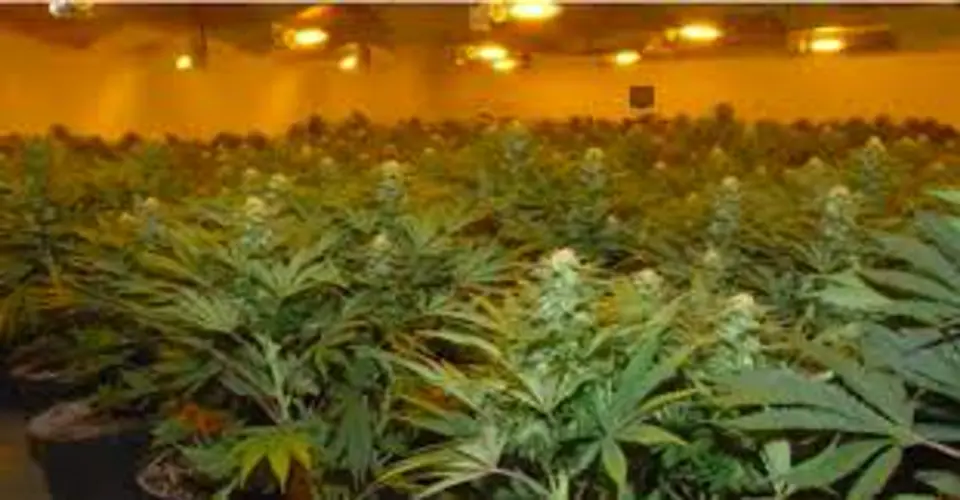
Bureaucratic delays slowing growth for Guam's cannabis industry

Nearly six years after Guam legalized adult-use cannabis, there is still no legal market on the island. Lawmakers say the problem is no longer the law itself – but the system meant to carry it out.
The Guam Cannabis Act has been on the books since 2019, but today there is not a single business on the island that is licensed and operational for legal cannabis testing – and lawmakers say the reason has less to do with demand and more to do with dysfunction. That breakdown was the focus of a public hearing and legislative roundtable on Senator Telo Taitague’s Bill 245, a measure that would extend a temporary exemption from cannabis laboratory testing requirements from two years to five.
Taitague stressed the bill does not remove testing standards or make the exemption permanent. Rather, she says it gives the government more time to build the system the law requires, stressing, “Laboratory testing for cannabis is an important safeguard for consumers and this bill does not abandon that principle.”
And Department of Public Health and Social Services deputy director Amanda Shelton reiterated, saying, “There are currently no licensed cannabis facilities in operation, including licensed laboratories capable of conducting the required testing.”
Much of the discussion focused on the Cannabis Control Board, which is required by law to meet monthly but has not met for nearly a year. Lawmakers said that inactivity has stalled licensing, enforcement coordination, rule-making, and required annual reporting. And industry testimony highlighted the cost of those delays.
“I think the difficulties lie in the fact that there’s just been a lot of slow-walking for whatever reason," noted Stephen Roberto of Guam’s Real Deal, LLC. He told senators his businesses have spent years navigating shifting requirements, expiring approvals, and inter-agency clearances – forcing him to reapply for annual licenses for the past three years.
“Guam’s cannabis industry can succeed only if regulations reflect real world operating conditions and protects the people who complied early and in good faith," Roberto said. "Extending the testing waiver is essential to provide the breathing room needed for these bureaucratic issues to be resolved without prematurely halting industries’ progress.”
The roundtable also identified broader barriers, including zoning restrictions, utility clearances, financing challenges, limited banking access, and delays in implementing guam’s seed-to-sale tracking system. Community advocates, including Guam Grassroots, warned that prolonged regulatory paralysis harms more than businesses – undermining public trust and leaving medical patients and consumers without a regulated, transparent market.
Lawmakers described Bill 245 as a temporary bridge meant to keep the program intact, while demanding accountability from agencies responsible for finally making Guam’s cannabis law work.