Economy forecasted to grow with military construction and tourism
The state of Guam’s Economy will continue to grow from the pandemic downturn with increased military construction and the recovering tourism industry. That’s according to Department of Labor Chief Economist Gary Hiles during a special economic

The state of Guam’s Economy will continue to grow from the pandemic downturn with increased military construction and the recovering tourism industry.
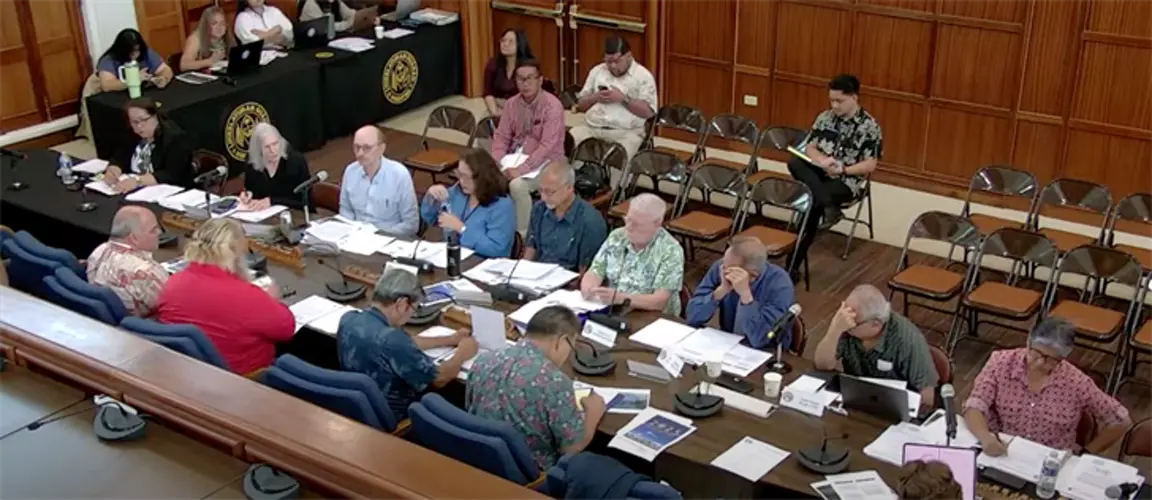
That’s according to Department of Labor Chief Economist Gary Hiles during a special economic service meeting Monday.
“It's pretty clear the economy will expand and revenues will increase. But the question is will they expand at the rate they have over the last year or two. That just depends on how quickly these construction projects get underway and how fast tourism continues recovering,” said Hiles.
He said the ongoing Camp Blaz Marine Corps Base construction activity is nearing its planned peak.
“We’re a little bit behind the plan but we’re in a growth phase that’s projected for construction. Construction employment have been going up with increasing numbers of H2 workers that are record level,” he added.
Based on the Fiscal Year 2025 executive budget request, construction employment increased from 7,860 in September 2020 to 12,080 in September 2023.
H2 workers increased from 1,527 in December 2020 to 5,065 in December 2023.
The construction taxes GovGuam was paid increased from $48.2 million in FY 2020 to $70.7 million for FY 2023, an increase of 47% in three years.
As for our tourism market, Hiles said, “From the first quarter and into January, we actually in our Japan market is starting to see some improvements with 126% over forecast, and Korea as well.”
According to Guam Visitor Bureau Vice President Gerry Perez, the Japan and Korean arrivals have been exceeding the forecasted growth in FY 2024 but it’s hit a headwind with the weaker Japanese yen and Korean won.
“Today, I think the yen hit close to 160 and the Korean won is still pretty weak. In fact, the Korean won is like 7% even worse off from the Asia crisis in 1997,” he said.
Despite the current drag, he remains “cautiously optimistic” for FY 2025.