GMH will provide medication to inmates & detainees

Under the threat of receivership the Department of Corrections has agreed on a memorandum of understanding with the Guam Memorial Hospital to provide medication to inmates and detainees.

May 1, 2015Updated: May 1, 2015
KUAM NewsBy KUAM News

Under the threat of receivership the Department of Corrections has agreed on a memorandum of understanding with the Guam Memorial Hospital to provide medication to inmates and detainees.

"There is the threat of receivership and it is going to cost more to go through that receivership route and bottom line is that is going to impact the money that is going to come to GMH if DOC goes on receiver, and there is a court date on the 18th that they have to report and that's why it is very important that this gets approved today," said GMH chief financial officer Benita Manglona.

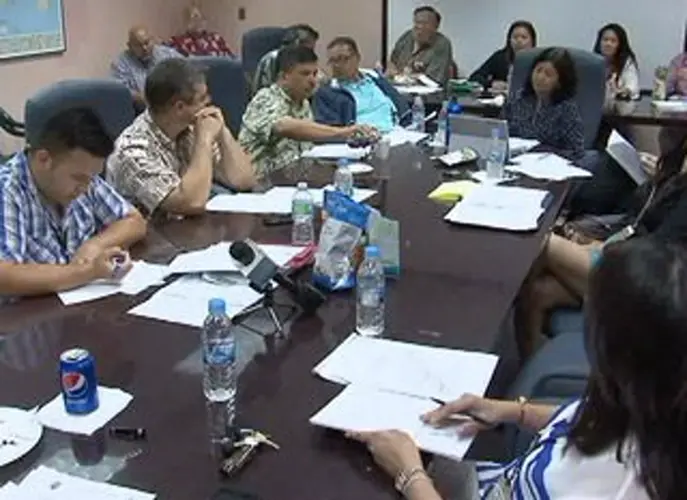
It is no secret that the Department of Corrections has been faced with discrepancies in providing adequate medical care to inmates and detainees. Earlier this year the District Court of Guam set a series of deadlines to ensure the prison facility provides adequate healthcare to clients. During Thursday night's GMH board meeting, members approved a memorandum of understanding between the hospital and doc to provide medication, but it came with scrutiny.

One woman said, "After this fiscal year is completed September 30, if there isn't any funding then that becomes a concern for the hospital because we don't have funding and fiscal year for 2016 will be upon us and no funding GMH ends up being responsible of taking on just all the expenses that are involved with this. We can do the billed out we can provide the service until September but there has to be a plan. GMH can't be the sole responsibility for this."

With the concern that the hospital may end up bearing the cost of providing this service with no reimbursement the ability of DOC to pay for the services was questioned. "Up at DOC, they have been funding their pharmacy for the past year every month right. That came from somewhere what makes it think that's not going to keep going on," one person noted.

Meanwhile, other members of the board shared their concerns about what would happen if the agreement was not made. Determining that the threat of receivership as a result of inmates and detainees not getting their medication was not an option.